GPS devices are a great way for hikers to navigate the Pacific Crest Trail. You can load PCT waypoints into your GPS to help you find the trail after losing it, find water, find campsites, etc.
We also have waypoints for trail angels and support people. These waypoints are for all the Pacific Crest Trail road crossings, Stores, and other vehicle-accessible points of interest along the PCT. The files can be formatted to load into your TomTom or other vehicle navigation system.
With GPS you can find the trail even if it’s buried under a foot of snow, and you can do it much faster and easier than you could with a map and compass. When you get to those infamous unmarked forks in the trail that don’t show up on your map you can just fire up your GPS and it will point you in the right direction. The file(s) include waypoints every half mile of the trail, waypoints for known water sources, campgrounds, resupply points, etc. No need to deal with a map and compass.
Your GPS will leave you high and dry if it runs out batteries. Good GPS devices for hikers and backpackers are ones with field replaceable batteries (the 9V, AA, or AAA varieties are the most convenient). If your GPS device gets destroyed (ie: dropped in the river while fording) you are out of luck. Also, GPS devices can sometimes struggle while below the tree line. While your GPS device will get a fine signal over the majority of the trail, this is important to keep in mind.
GPS devices are almost always heavier than paper map options. Finally, GPS devices can be expensive. Though there are many inexpensive models available, even the inexpensive models are more costly than many of the paper map options available to you.
These waypoint files can be downloaded from Half Mile’s website. There you will find the most recent, updated version of the GPS waypoints. If you need to convert his waypoints from the .gpx format to some other format, we recommend you use a free program called GPS Babel.
The following waypoint files have the waypoints for all the places where the PCT crosses a road. Many of the roads are Forest Service roads and may not be accessible by the public. So be sure to check your driving routes ahead of time. Also included are waypoints for all the popular post offices, stores, and other vehicle-accessible points of interest along the Pacific Crest Trail.
Waypoints can be stored in many different formats. Find the format your vehicle navigation system requires below.
Waypoints beginning with ‘PO’ indicate a post office. ‘RD’ indicates a road. Although road crossings and post office rarely change locations, it still very important to check your route and destination ahead of time for road closures, etc.
We’ll take a look at some of your resupply options, talk about the pros and cons of each, and help you decide which resupply option is right for you.
Read MoreEverything thing you need to know in order to choose the right shoes for you on the PCT. Plus, we'll give you a list of popular options to get you started.
Read MoreLearn how to combine the right sleeping bag, sleeping pad, and ground cloth to create the perfect sleeping system to stay warm and toasty on the trail.
Read MoreHas the information above changed? Know something other hikers should know? Leave a comment below.
Plan Your Hike is reader supported. When you buy through links on our site, we may earn an affiliate commission.
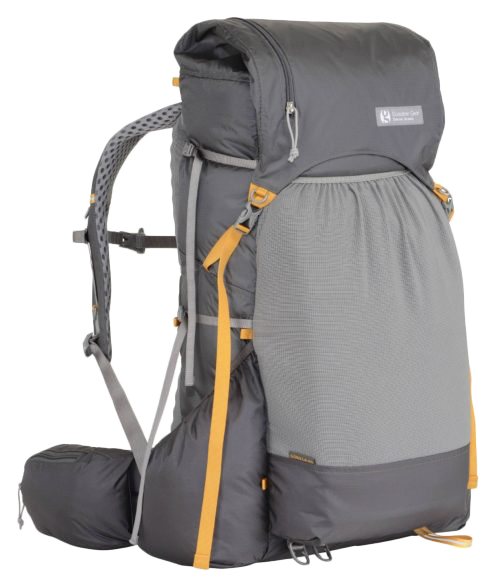
Are you all set on gear for the Pacific Crest Trail? Check out our Ultimate Gear Guide for the PCT ->